Switching to LED lighting is a smart move when done correctly. LEDs are energy efficient, last longer, come in various designs, and can be found in almost any color.
Before switching to an LED-lit house, here’s what needs consideration:
Understanding LEDs
LEDs, or Light Emitting Diodes, draw less power and can outlast traditional incandescent and fluorescent bulbs by thousands of hours if they’re good quality. Better still, they don’t contain toxic mercury like CFLs and emit less heat than an incandescent bulb.
Types and choices
LEDs come in many forms: bulbs, panels, strips, and tubes. Each serves different lighting purposes and aesthetic settings. Panels are great for even room lighting, while strips can accent features or provide under-cabinet illumination. LED strips have become a popular aesthetic touch for modern, high-tech apartments.
Color temperature and mood
They can also be of varying color temperatures, from the chillingly cold, blueish-white 6500K to soft and flame-like 1800K. LED color temperatures are measured in Kelvins. Lower Kelvins mean warmer, yellowish light, while higher Kelvins mean cooler, bluer light. Make a choice based on the desired ambiance for each room or location.
Light color temperature can affect the circadian cycle and even mood, so it’s best to go with warmer bulbs for bedrooms and living rooms. In contrast, cooler colors (with good color accuracy) are better for garages, workshops, and similar spaces.
While most LEDs aren’t as color-accurate as incandescent bulbs, usually 100% color-accurate, many quality LED lights can reach 90% to 95%.
Efficiency and cost savings
Though LEDs might cost more upfront, their efficiency results in lower energy bills. They use approximately 75% less energy than incandescent bulbs and half as much as CFLs.
Proper installation matters
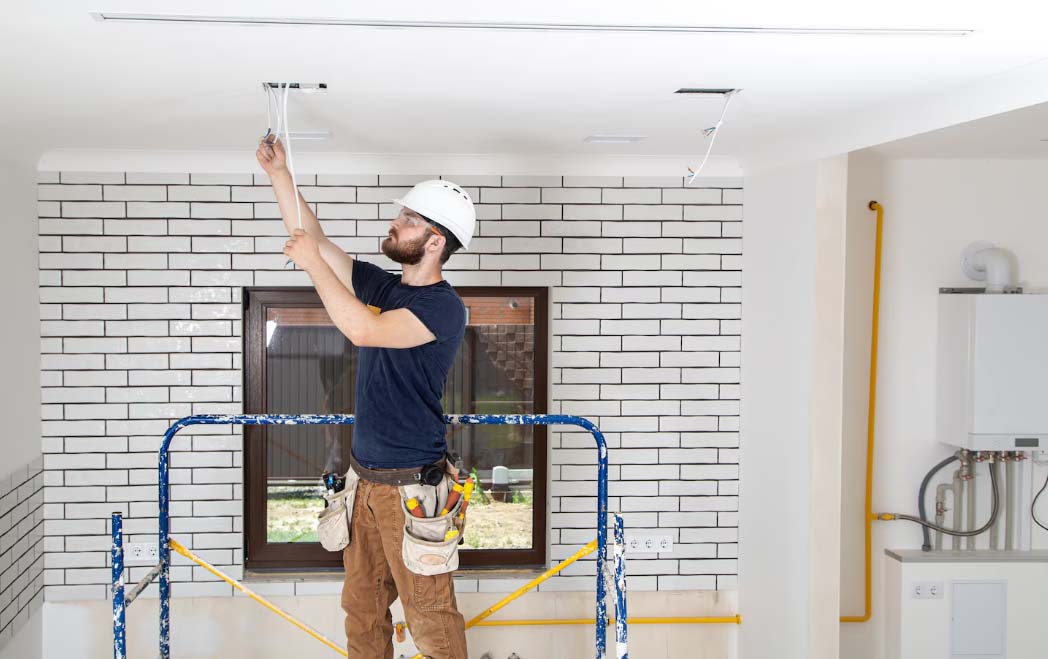
Professionals are best for doing electrical work (including installing LED panels). While anyone can change a screw-in light bulb, more demanding lighting work isn’t always DIY-friendly.
Planning the layout
For best results, plan where the LEDs will go. Consider where you need task lighting, like kitchens or work areas, and where ambient light is better, like living rooms.
Dimming and control
Some old dimmers might not work with LEDs without an upgrade. If dimming matters, check whether an existing dimmer is compatible with the new LED lights or if it needs an upgrade.
Maintenance
LEDs need less maintenance than many other lighting types. Still, keep an eye out for any changes in performance. While many LED bulbs claim a lifespan of five or even ten years, and while the diodes can last just as long, the circuitry in some bulbs may not survive as long.
Disposal
When LEDs eventually need replacing, dispose of them responsibly. They’re not as harmful as CFLs but still require proper disposal.
Lights on!
LEDs are a sustainable lighting solution that saves energy and reduces bills. Proper planning, professional installation, and testing can effectively transition a household to LED lighting.
If you need a highly-reviewed, licensed electrician in the Miami area, call Electrical Services Fl at 786-487-7441. We would love to hear from you!